
Amazon, Walmart, and Your Website Shouldn’t Be Competing on Price
July 22, 2026

Most brands do not intentionally create price conflict across channels. It happens because Amazon, Walmart, the brand website, retailers, and resellers are managed separately.
One team runs a website promotion. Another adjusts marketplace pricing. A retail partner discounts for a sales period. A reseller lists below the expected price. The result is not just margin pressure. It can trigger marketplace pricing issues, suppress Amazon Featured Offer eligibility, weaken Buy Box performance, and create confusion across the business.
Amazon’s Marketplace Fair Pricing Policy says Amazon may remove the Featured Offer, remove an offer, or suspend a ship option when it sees pricing practices that harm customer trust. That makes cross-channel pricing more than a website problem. A lower price outside Amazon can still affect how the brand performs on Amazon.
The Problem Is Unmanaged Price Variation
Price variation is not always bad. A subscription offer on the brand website can make sense. A multipack on Walmart can have a different value structure. A marketplace promotion can support a specific sales event.
The problem starts when those differences are not planned.
A brand might discount on its website to move inventory, then see Amazon conversion decline because the marketplace price looks uncompetitive. A retailer might drop price for a seasonal event, then the Amazon offer becomes harder to protect. A reseller might undercut the brand, then the business has to respond across multiple platforms without knowing which price is driving the issue.
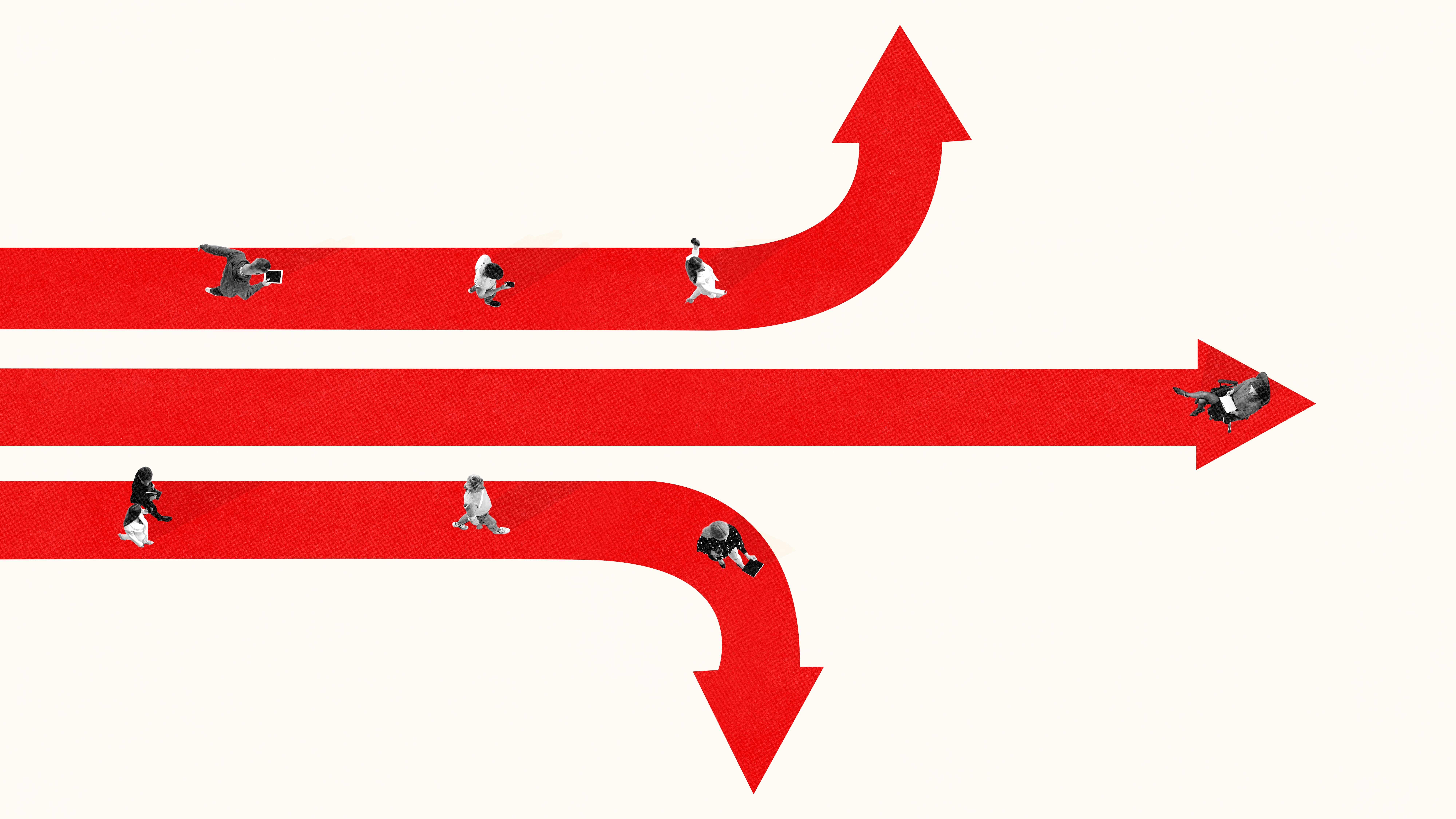
This is how channels start competing against each other. Not by strategy, but by drift.
Every Channel Needs a Defined Role
The first fix is deciding what each channel is supposed to do.
Amazon may be the high-intent conversion channel. Walmart may support marketplace reach and value-oriented shoppers. The brand website may be where the company builds loyalty, subscriptions, education, warranty support, or deeper assortment. Retail partners may offer trust and physical access. TikTok Shop may support discovery.
Those roles should shape the offer.
If every channel is trying to win on lowest price, the brand has no architecture. It has a set of disconnected storefronts. Once that happens, teams start solving channel-specific problems in ways that damage the whole system.
A better question is not “Where should we be cheapest?” It is “What job does this channel do, and what offer supports that job?”
Vary the Offer Before You Vary the Price
Brands should create channel distinction through offer design before relying on discounts.
A website does not need to undercut Amazon if it offers a subscription, loyalty benefit, exclusive bundle, or product education that the marketplace listing does not provide. Walmart does not need to mirror the brand website if the pack size or assortment is built for that shopper. Retail does not need to match every online promotion if convenience and availability are part of the value.
Useful ways to reduce direct price conflict include:
- Bundles and multipacks with different unit economics
- Channel-specific assortments that make direct comparison harder
- Subscription offers on the brand website
- Loyalty benefits tied to owned customer relationships
- Shipping thresholds that protect margin
- Retail or marketplace exclusives with clear value differences
This does not avoid price comparison entirely. It gives each channel a reason to exist beyond being cheaper.
Pricing Rules Need Ownership
Offer design only works if someone owns the system.
Brands need documented rules for promotions, MAP expectations, reseller monitoring, marketplace pricing, and approval limits. They also need a regular review cadence that connects pricing to margin, inventory, advertising, and channel performance.
The review does not need to be complicated. It should answer a few direct questions:
- Do we know each channel’s role?
- Are promotions coordinated before they go live?
- Do we track margin by product and channel?
- Are outside prices creating marketplace issues?
- Are resellers undercutting the brand?
- Do we have an escalation process when the Buy Box or Featured Offer is affected?
This is where pricing strategy becomes operational. ZQUARED’s marketplace work focuses on brand protection, performance reporting, bundling, fulfillment, case management, and profitable growth because those functions are connected. Pricing control does not hold if the rest of the operation is unmanaged.
Your Channels Should Work as a System
The goal is not identical pricing everywhere. The goal is controlled pricing with a clear reason behind each difference.
Amazon, Walmart, the brand website, retail partners, and future marketplaces should support each other. They should not force the customer, the platform, or the internal team to choose the cheapest version of the same product.
Most brands do not create this problem on purpose. They create it by letting each channel make pricing decisions in isolation. The fix is not constant repricing. The fix is channel roles, offer design, pricing governance, and active marketplace monitoring.
When pricing is managed as a system, the brand protects margin and marketplace performance. When it is managed channel by channel, the brand ends up competing with itself.


Ready to scale your business?
Talk with one of our ecommerce experts.