
What Stockouts Are Really Costing Your Amazon Business
September 2, 2026
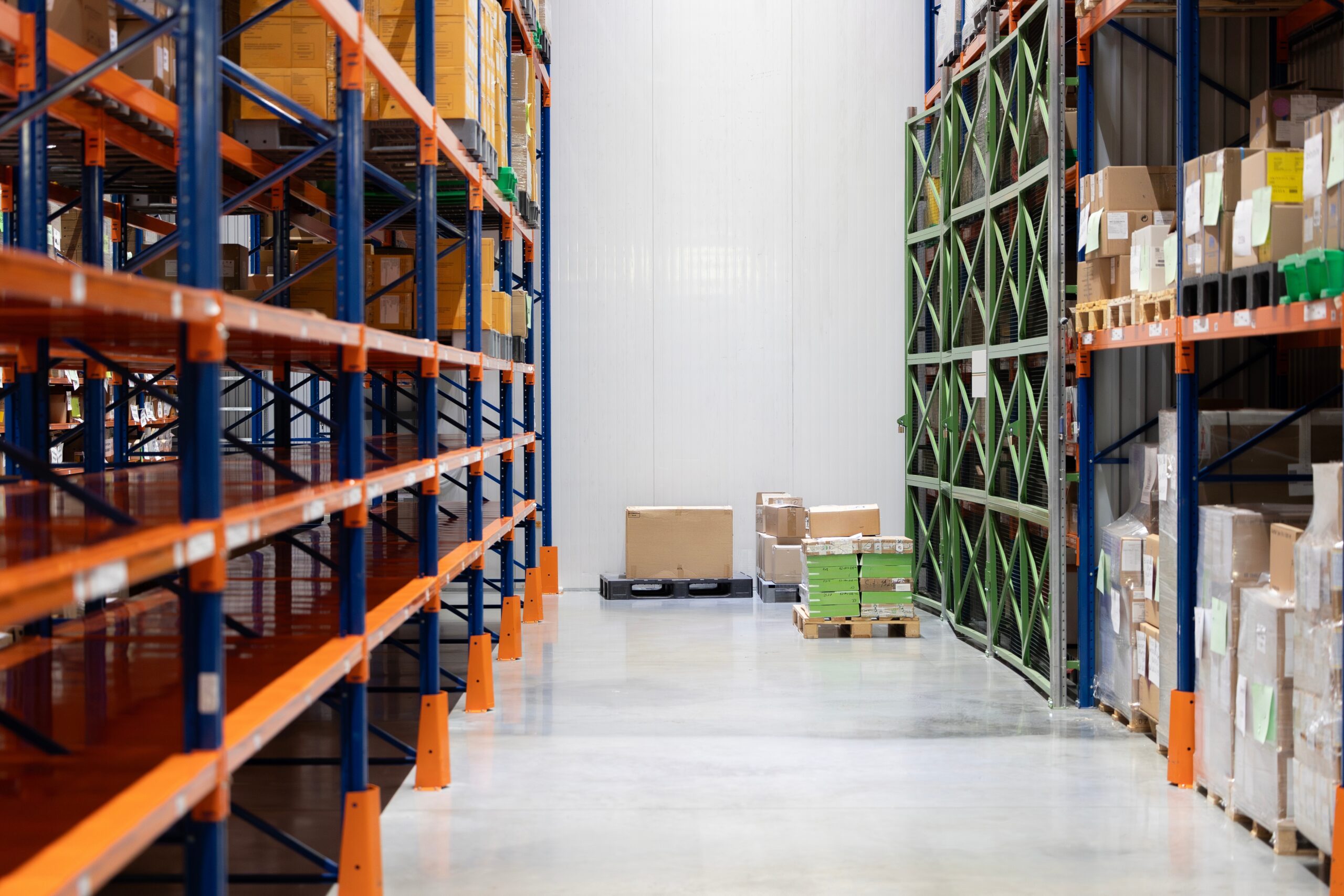
Nearly three in four online shoppers, 74 percent, ran into a stockout on a product they regularly buy at least once in the past year. For Amazon brands, though, the real problem is not simply that customers cannot purchase the product for a few days. A stockout can interrupt sales momentum, weaken organic visibility, shut down advertising, send shoppers directly to competitors, and create effects that continue after inventory returns.
The easiest way to calculate the cost of a stockout is to multiply the number of days you were unavailable by your average daily sales.
If an ASIN normally generates $3,000 per day and is unavailable for seven days, that gives you $21,000 in missed revenue.
But that number only tells you what happened while inventory was at zero.
It does not account for what happens to the listing while you are gone, what competitors gain during that period, or what it may take to get the ASIN back to where it was before the stockout.
On Amazon, those secondary effects can matter just as much as the initial lost sales.
The obvious loss is only the first line item
Say an ASIN normally sells 100 units per day at $30 and goes out of stock for seven days. The obvious revenue loss is $21,000.
The immediate economic loss is really the contribution margin those 700 units would have generated after product costs, Amazon fees, advertising, freight, and other variable expenses.
The damage also may not stop on day eight. If traffic and conversion remain below their pre-stockout baseline after restocking, you are still losing sales. Any extra PPC spend, coupons, or discounts used to accelerate recovery belong in the stockout calculation too.
An ASIN can technically be back in stock while the business is still paying for the outage.
Organic ranking can fall while competitors keep selling
This is one of the hardest costs to see in a basic inventory report.
Amazon does not publish the exact weighting of every variable in organic search. What is clear operationally is that product performance matters, and stockouts interrupt it. Amazon has cautioned sellers that even a brief stockout can affect organic ranking, while Amazon analytics providers consistently observe organic positions deteriorating when products become unavailable.
Before the stockout, your ASIN may be generating clicks, add-to-carts, conversions, and sales every day for an important keyword. Once inventory hits zero, that purchase activity stops. Meanwhile, competing ASINs remain available and continue collecting sales.
The listing does not simply “pause.” The competitive environment keeps moving while you are standing still.
That matters because restocking does not guarantee an instant return to the exact organic positions you held before. A short interruption on a strong ASIN may recover quickly. A longer outage in a competitive category can create a larger hole because competitors have had more time to capture sales and strengthen their positions.
It is also worth separating ranking loss from keyword indexing. Sellers often use the terms interchangeably, but they are not the same. A stockout does not automatically mean the ASIN permanently loses indexing for its keywords. The more common problem is loss of placement and visibility. When inventory returns, the product may still be indexed but sitting several positions, or several pages, below where it was.
That can turn a one-week inventory problem into several additional weeks of weaker organic sales.
Paid visibility shuts down at the same time
A stockout also removes one of the main tools sellers use to generate traffic.
Amazon requires Sponsored Products to be active and in stock. If an advertised product goes out of stock, Amazon automatically pauses it from serving.
That protects you from paying for clicks to an unavailable product, but the ASIN loses paid impressions and sales at the same time organic momentum is interrupted. Competitors can capture both types of placement.
Organic visibility is under pressure while the paid channel that normally supplements it has disappeared too.
When inventory returns, brands may need to spend more aggressively to regain visibility. If you normally spend $300 per day on ads but need to spend $450 per day for two weeks after restocking, that incremental $2,100 belongs in the stockout cost. The same goes for coupons or temporary discounts used to restart sales momentum.
Looking only at sales lost while inventory was at zero ignores what you had to spend to get the ASIN performing normally again.
The Featured Offer can shift while you are gone
For listings with multiple sellers, availability also affects the Featured Offer, formerly called the Buy Box.
An offer with no sellable inventory cannot hold the Featured Offer. If another seller remains in stock, that seller can capture orders from traffic reaching the listing while you are unavailable. Amazon also requires products to be eligible for the Featured Offer to participate in Sponsored Products.
This is especially relevant for brands with resellers or distributors. The customer may still buy your product, but the order moves to another offer.
Restocking also does not universally guarantee that the Featured Offer immediately returns to the seller that previously held it. Price, fulfillment, shipping speed, seller performance, and other factors can influence selection.
For a private-label ASIN with no competing offers, this risk is much lower. For a shared listing, it can be significant.
Customers do not necessarily come back when inventory does
The algorithmic cost is only part of the problem.
DOSS found that 45 percent of shoppers buy from a different retailer when a regular product is unavailable, while 32 percent temporarily switch to a competing brand. More concerning, 62 percent say they have permanently switched brands because of a stockout at least once, and 82 percent would try a competitor if their preferred brand were frequently unavailable. A quarter said stockouts had damaged their trust in a brand.
On Amazon, switching is unusually easy. The customer does not need to leave the store or open another website. Your substitute can be sitting directly beneath your unavailable product in the search results.
That creates a customer-lifetime-value problem.
A shopper who discovers that the competing supplement, dog treat, skincare product, or household item works just as well may never have a reason to switch back. Even if your organic ranking eventually recovers, some of the customers who previously contributed to your sales velocity may now be buying a competitor every month.
For repeat-purchase products, losing one order can mean losing the next several too.
Restocking doesn’t necessarily end the stockout
This is ultimately what makes stockouts so deceptive.
In Seller Central, the event looks simple:
Inventory reaches zero. Sales stop. New inventory arrives. Sales resume.
From an operational standpoint, the stockout is over. From a business standpoint, it may not be.
Your organic positions may have changed. Your advertising may need to work harder. Competitors may have gained sales and customers during your absence. Some previous customers may now be buying another brand. And the first several weeks after restocking may perform differently than the several weeks before inventory disappeared.
None of those effects show up in the quick calculation most brands make after a stockout.
If you normally generate $3,000 per day and spend seven days unavailable, it is tempting to record a $21,000 revenue problem and move on.
But Amazon does not reset the marketplace to the moment before you went out of stock.
The search results kept changing. Competitors kept selling. Advertising inventory went elsewhere. Customers kept purchasing.
The sales you miss while an ASIN is unavailable are only the most visible part of a stockout. The larger cost can be everything the business loses because the product stopped selling in the first place: visibility, momentum, advertising efficiency, competitive position, and customers.
And that is why preventing a stockout can be worth significantly more than the revenue sitting in the “lost sales” column.
This amount of bolding should work well. It gives each section 1–2 anchor ideas for skimming without making the whole page look overformatted.



Ready to scale your business?
Talk with one of our ecommerce experts.